
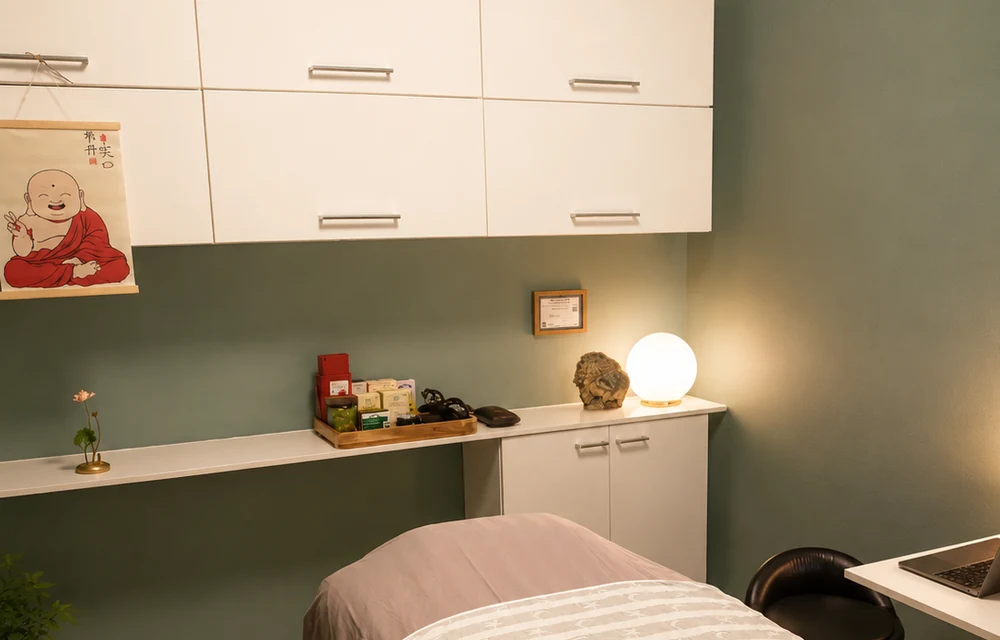
For thousands of years, tea has been an important part of daily life in many cultures, especially in China. More than simply a beverage, tea represents hospitality, mindfulness, and taking a moment to slow down in the middle of a busy day.
At Spring Oriental Medicine, we enjoy offering a cup of tea as a small gesture of welcome. While tea is not a substitute for medical care, it can be part of a healthy lifestyle and a relaxing daily ritual.
Tea as a Daily Ritual
Modern life often encourages us to rush from one task to the next. Preparing and enjoying a cup of tea provides an opportunity to pause, breathe, and be present.
Whether you enjoy tea in the morning, during an afternoon break, or in the evening, this simple ritual can create a moment of relaxation and self-care.
A Variety of Traditional Teas
China has a rich tea culture, with different teas offering their own unique flavors, aromas, and traditions.
- Green Tea – Fresh and light, green tea is enjoyed around the world and naturally contains antioxidants and caffeine.
- Oolong Tea – Partially oxidized, oolong tea has a smooth, complex flavor and is traditionally enjoyed throughout the day.
- Black Tea – Rich and robust, black tea is often enjoyed in the morning or as an afternoon beverage.
- White Tea – Delicate and lightly processed, white tea has a subtle, naturally sweet flavor.
- Jasmine Tea – Green tea scented with jasmine blossoms, known for its beautiful floral aroma.
- Chrysanthemum Tea (Caffeine-Free Herbal Infusion) – A popular floral infusion in Chinese culture, traditionally enjoyed especially during warmer months.
- Rose Tea (Caffeine-Free Herbal Infusion) – Made from dried rose buds or petals, this fragrant infusion is enjoyed for its delicate aroma and flavor.
- Roasted Barley Tea (Caffeine-Free Herbal Infusion) – A warm, nutty roasted grain beverage that is naturally caffeine-free and enjoyed hot or cold.
Enjoy Tea Mindfully
Tea is often best enjoyed slowly. Taking a few quiet minutes to appreciate its warmth, aroma, and flavor can become a simple practice of mindfulness during a busy day.
If you are sensitive to caffeine, pregnant, taking medications, or have certain medical conditions, talk with your healthcare provider about which teas and amounts may be appropriate for you.
Key Takeaways
- Tea has been an important part of Chinese culture for thousands of years.
- Different teas have unique flavors, aromas, and traditions.
- Enjoying tea can create a relaxing daily ritual and encourage mindfulness.
- Tea can be part of a healthy lifestyle but should not replace appropriate medical care.
- Simple moments of slowing down and caring for yourself can contribute to overall well-being.
Tea at Spring Oriental Medicine
We look forward to offering you a complimentary cup of tea during your visit. Our tea selection may change with the seasons, creating a simple opportunity to relax, slow down, and enjoy a moment of calm before or after your appointment.
Tea has long been a symbol of hospitality in Chinese culture. We hope this small tradition helps create a welcoming and peaceful environment as you begin your wellness journey with us.